

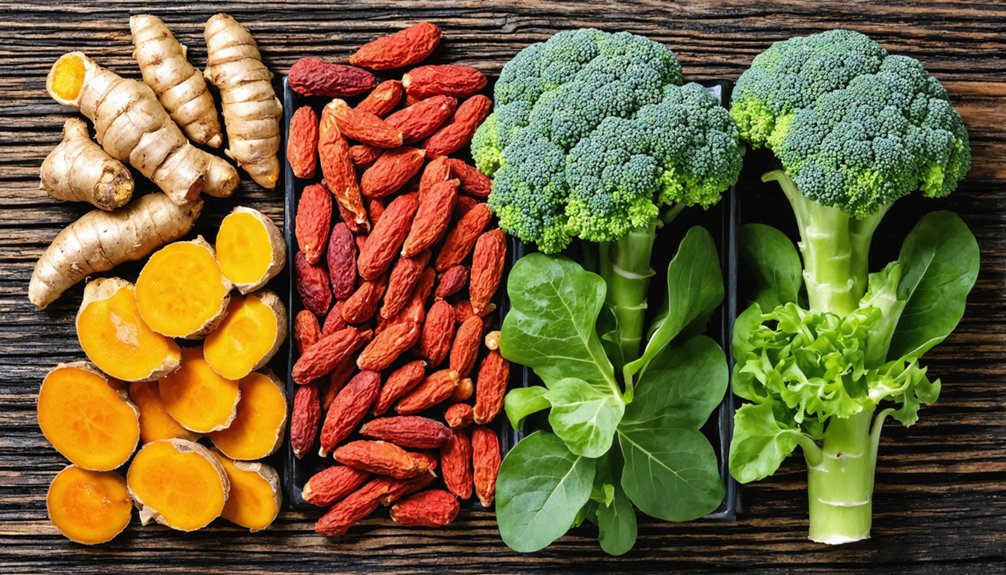

2025’s Top 10 Superfoods: A Guide to Boosting Your Health
The world of health and wellness continues to prioritize nutrient-dense foods, and for good reason. These 10 superfoods have consistently demonstrated their value in supporting overall well-being. Almonds, blueberries, salmon, quinoa, kale, avocados, spinach, fatty fish, pomegranates, and sweet potatoes each offer distinct health benefits.
Almonds, for instance, are rich in healthy fats and antioxidants, making them an excellent snack for heart health. Blueberries, on the other hand, are packed with vitamins and minerals that support cognitive function. Fatty fish, like salmon, provide essential omega-3 fatty acids that reduce inflammation.
Incorporating Superfoods into Your Diet
Adding these superfoods to your diet can be simple and effective. Try sprinkling almonds on your oatmeal or blending blueberries into a smoothie. Quinoa and kale can be easily incorporated into salads, while avocados make a nutritious addition to sandwiches.
The benefits of these superfoods are backed by science. Studies have shown that consuming foods rich in antioxidants, like pomegranates and sweet potatoes, can reduce the risk of chronic diseases. Spinach, with its high iron content, supports healthy red blood cells.
Expert Insights
“Superfoods are not a magic bullet, but they can be a powerful tool in maintaining a healthy diet,” notes a registered dietitian. “By incorporating these nutrient-dense foods into your meals, you can support your overall well-being and reduce the risk of chronic diseases.”
In 2025, the emphasis on whole, nutrient-dense foods continues to grow. These 10 superfoods remain at the forefront of the health and wellness conversation, offering a straightforward way to improve your diet and boost your health.
Highlights
Nutrient-Dense Superfoods Continue to Dominate in 2025
Almonds, blueberries, and salmon have maintained their top spots as superfoods in 2025 due to their exceptional nutritional value and numerous health benefits. These foods are rich in essential vitamins, minerals, and antioxidants that support overall health and well-being.
Leafy greens like kale and spinach remain popular choices for their high iron and antioxidant content. These nutrients are crucial for maintaining healthy red blood cells and protecting against oxidative stress. Avocados and fatty fish are still favored for their healthy fats and anti-inflammatory properties, which support heart health and reduce the risk of chronic diseases.
Pomegranates continue to be a top choice for their high antioxidant content, which provides excellent immune function support and protects against cell damage. Quinoa and sweet potatoes are still recognized as nutrient-dense superfoods that provide essential vitamins, minerals, and fiber, making them excellent additions to a balanced diet.
“By incorporating these superfoods into your diet, you can experience significant health benefits and improve your overall quality of life.”
Blueberries: The Brain-Boosting Berry
The Power of Blueberries for Brain Health
Research has consistently shown that blueberries have a profound impact on cognitive function due to their exceptionally high antioxidant content and unique combination of phytochemicals. The antioxidants in blueberries, particularly anthocyanins, have been found to reduce oxidative stress and inflammation in the brain, leading to improved memory and cognitive processing speed.
What sets blueberries apart is their ability to cross the blood-brain barrier, providing unparalleled brain health benefits.
The Science Behind Blueberries’ Brain-Boosting Effects
Studies have demonstrated that incorporating blueberries into a daily diet can have a significant impact on overall brain health. The unique combination of antioxidants and phytochemicals in blueberries has been shown to reduce age-related cognitive decline and even help alleviate symptoms of neurodegenerative diseases such as Alzheimer’s and Parkinson’s.
With their potent brain-boosting effects, blueberries have become an essential superfood for those looking to support cognitive function and promote overall well-being.
A Delicious Way to Support Brain Health
Adding blueberries to your diet is a simple and delicious way to support brain health. With their sweet-tart taste and versatility in both sweet and savory dishes, blueberries are an easy addition to any meal.
Whether you enjoy them as a snack, add them to oatmeal or yogurt, or blend them into a smoothie, blueberries are a convenient way to give your brain a boost.
The Bottom Line: Blueberries are a Brain-Boosting Powerhouse
As research continues to validate the cognitive-enhancing effects of blueberries, it’s clear that these small, purple berries are a powerhouse for brain health.
With their unparalleled ability to cross the blood-brain barrier and provide potent antioxidant benefits, blueberries are an essential addition to any diet looking to support cognitive function and promote overall well-being.
Salmon: The Omega-3 Powerhouse
Unlocking the Power of Omega-3s with Sustainable Salmon
Salmon is an excellent way to tap into the health benefits of omega-3 fatty acids. This oily fish is rich in EPA and DHA, which have been shown to reduce inflammation, improve heart health, and support brain function.
To reap these benefits, it’s essential to prioritize sustainable fishing practices that minimize environmental impact.
Choosing Sustainable Salmon
When selecting salmon, look for certifications like MSC (Marine Stewardship Council) or ASC (Aquaculture Stewardship Council).
These organizations guarantee responsible fishing and farming methods, ensuring that your salmon choice not only benefits your health but also contributes to the preservation of marine ecosystems.
Incorporating Salmon into Your Diet
Adding salmon to a balanced diet can have a significant impact on overall well-being.
As a rich source of omega-3s, salmon supports heart health, reduces inflammation, and promotes brain function.
By making sustainable salmon a regular part of your meals, you’re not only improving your health but also supporting environmentally responsible fishing practices.
A Superfood for a Healthier Future
Salmon remains a top superfood in 2025 due to its exceptional nutritional value and sustainable production options.
By choosing certified sustainable salmon, individuals can support eco-friendly fishing practices while reaping the numerous health benefits of omega-3s.
As the demand for sustainable seafood continues to grow, making informed choices about the salmon we eat can have a lasting impact on our health and the environment.
Kale: The Leafy Green Superstar
The Nutritional Power of Kale
Kale, a leafy green superfood, has been a staple in healthy diets for years, and its popularity continues to grow. Its exceptional nutritional profile and versatility in cooking make it a beloved ingredient among health enthusiasts and foodies.
One of the key benefits of kale is its high vitamin and mineral content. Rich in vitamins A, C, and K, as well as minerals like calcium and iron, kale is a nutritious addition to any meal. Its antioxidant properties also make it an excellent ingredient for fighting off chronic diseases.
Kale is also an excellent choice for those managing their weight. Low in calories and high in fiber, kale can be incorporated into a variety of dishes to support healthy weight loss. From smoothies and salads to sautés and soups, kale recipes are diverse and plentiful.
Incorporating kale into your diet is easy. Simply add a handful of chopped kale to your favorite smoothie or sauté it with garlic and lemon juice as a side dish.
With its impressive nutritional profile and adaptability in cooking, kale is a superfood that deserves a spot in your kitchen.
“Kale is the ultimate superfood, packed with vitamins, minerals, and antioxidants that can boost your health and wellbeing.”
By making kale a part of your diet, you can reap its many rewards and support a healthy, balanced lifestyle.
With its exceptional nutritional profile and versatility in cooking, kale remains a popular choice among health enthusiasts and foodies alike.
Quinoa: The Protein-Packed Grain
Quinoa has become a staple in many health-conscious communities, and for good reason. Its high protein content makes it an ideal food for vegans and vegetarians. One cup of quinoa provides about 8g of protein, which is essential for building and repairing muscles.
Additionally, quinoa is rich in iron, magnesium, and potassium, making it an excellent choice for those looking to lower cholesterol levels, regulate blood pressure, and support healthy digestion.
Incorporating quinoa into your diet is easy, thanks to the numerous recipes available. From hearty quinoa salads to flavorful stir-fries, this versatile grain can be prepared in countless ways. Quinoa’s nutty flavor and satisfying texture make it a great addition to any meal.
Protein-packed and fiber-rich, quinoa is an excellent choice for those looking to adopt a healthier lifestyle.
“Quinoa is a grain that can help us rethink the way we eat. It’s a complete protein, meaning it contains all nine essential amino acids that our bodies need.”
With its numerous health benefits and versatility in cooking, quinoa has earned its spot as a superfood. Its benefits make it a significant addition to any diet, and its ease of preparation makes it a great choice for those looking to make healthier choices.
Almonds: The Nutty Antioxidant
Almonds: A Nutrient-Dense Superfood
In the pursuit of a healthy diet, it’s essential to consider a variety of nutrient-dense foods. Almonds, in particular, have garnered attention for their exceptional nutritional benefits. Rich in antioxidants, almonds support heart health and may even help lower cholesterol levels. They are also an excellent source of vitamin E, magnesium, and healthy fats.
To incorporate more almonds into your diet, try experimenting with various almond recipes. Almond milk and almond flour baked goods are delicious and healthy alternatives to traditional dairy products and baked goods. Alternatively, simply snacking on a handful of roasted almonds can provide a satisfying crunch and a boost of nutrients.
The versatility and multitude of health benefits of almonds make them a top superfood in 2025. By incorporating almonds into your diet, you can reap their rewards and join the ranks of the health-conscious.
As a nutrient-dense food, almonds offer a wealth of benefits that can have a lasting impact on overall health and well-being.
“Incorporating almonds into your diet can have a significant impact on your overall health and well-being. With their rich nutritional profile and versatility, it’s no wonder almonds remain a top superfood choice.”
Sweet Potatoes: The Vitamin-Rich Spud
The Nutritional Powerhouse of Sweet Potatoes
Sweet potatoes have long been overshadowed by their more popular counterpart, the white potato. However, they boast an impressive nutritional profile that earns them a spot among the top superfoods.
Rich in essential vitamins and minerals, sweet potatoes offer numerous health benefits, including supporting immune function, healthy digestion, and eye health. They also possess anti-inflammatory properties and antioxidant capabilities.
One of the key advantages of sweet potatoes is their versatility. They can be used in various recipes, from hearty stews and soups to sweet and savory casseroles.
Their naturally sweet flavor and adaptability have made them a staple in many cuisines worldwide. Incorporating sweet potatoes into your diet can be as simple as trying out new recipes that feature this nutritious food.
Incorporating Sweet Potatoes into Your Diet
To reap the benefits of sweet potatoes, try experimenting with different recipes. For a comforting and nutritious meal, try making a sweet potato and black bean stew.
Alternatively, roast sliced sweet potatoes in the oven with olive oil and your choice of herbs for a delicious side dish. With their rich nutritional profile and versatility in cooking, sweet potatoes are an excellent addition to a healthy diet.
Quote: “Sweet potatoes are a powerhouse of nutrition, offering a wealth of health benefits and culinary possibilities. By incorporating them into your diet, you can take a significant step towards a healthier and more balanced lifestyle.”
Avocados: The Creamy Heart-Healthy Fruit
The Nutritional Power of Avocados
Avocados are often mistakenly thought of as a vegetable, but they’re actually a nutrient-dense fruit that’s rich in healthy fats and fiber. The high levels of monounsaturated fats in avocados help lower cholesterol levels and reduce the risk of heart disease, making them a great addition to a heart-healthy diet.
Avocados also contain a wealth of essential vitamins and minerals, including vitamins C and E, which protect against cell damage and promote overall well-being.
In addition to their heart-healthy benefits, avocados support digestive health and can help satisfy hunger due to their high fiber content. They’re also incredibly versatile and can be enjoyed in a variety of dishes, from classic guacamole to smoothies and salads.
With their creamy texture and mild flavor, it’s easy to incorporate avocados into a balanced diet and reap their many health benefits.
“Avocados are a nutritional powerhouse, providing a rich source of healthy fats, fiber, and essential vitamins and minerals. By incorporating them into our diets, we can support heart health, digestive health, and overall well-being.”
Spinach: The Iron-Rich Super Green
The Power of Spinach: Unlocking its Iron-Rich Benefits
Incorporating spinach into daily meals can have a significant impact on overall health, thanks to its exceptionally high iron content. One serving of cooked spinach provides nearly 70% of the daily recommended intake of iron, making it an excellent plant-based source of this essential mineral.
Iron plays a crucial role in reducing fatigue, supporting healthy red blood cells, and promoting healthy bone density. Spinach’s mild flavor and versatility make it easy to add to various dishes, such as omelets, smoothies, or pasta recipes. By making spinach a staple in their diet, individuals can reap the many benefits this super green has to offer.
Why Spinach Matters
With iron deficiency affecting millions of people worldwide, spinach offers a simple and accessible solution. Its iron-rich content helps support a healthy immune system, reducing the risk of illnesses and infections.
Moreover, spinach is packed with other essential nutrients, including vitamins A, C, and K, and folate, making it a nutritious addition to any meal.
Incorporating Spinach into Daily Life
Adding spinach to daily meals can be effortless. Try adding a handful of fresh spinach leaves to omelets, smoothies, or pasta dishes for an instant nutritional boost.
Alternatively, sauté chopped spinach with garlic and lemon juice as a side dish or add it to soups and stews for added flavor and nutrition.
A Simple yet Powerful Solution
In a world where nutrition can be overwhelming, spinach offers a straightforward solution. By incorporating this iron-rich super green into daily meals, individuals can experience the numerous benefits it has to offer.
As nutrition expert, David Wolfe, once said, “Spinach is the ultimate superfood for a healthy and vibrant life.” With its exceptional nutritional profile and versatility, spinach is an excellent addition to any diet.
Fatty Fish: The Anti-Inflammatory Powerhouse
Fatty fish is a nutritional powerhouse that stands out for its remarkable anti-inflammatory properties. These properties make it a crucial component of a healthy diet. Salmon, tuna, and mackerel are rich in omega-3 fatty acids, which have been proven to reduce inflammation in the body. This reduction in inflammation can alleviate conditions such as arthritis, asthma, and autoimmune disorders.
Research has also shown that consuming fatty fish can improve heart health, reduce the risk of cancer, and enhance brain function. The benefits of fatty fish are undeniable, making it a staple in a balanced diet. Regular consumption can have a lasting impact on overall well-being and quality of life.
Key Health Benefits of Fatty Fish
- Reduces inflammation in the body
- Alleviates conditions such as arthritis, asthma, and autoimmune disorders
- Improves heart health
- Reduces the risk of cancer
- Enhances brain function
Incorporating Fatty Fish into Your Diet
To reap the benefits of fatty fish, aim to consume it 2-3 times a week. Fatty fish can be grilled, baked, or added to salads for a nutritious and delicious meal.
For those who struggle to incorporate fish into their diet, consider consulting with a registered dietitian or nutritionist for personalized advice.
“Regular consumption of fatty fish can have a profound impact on one’s health, reducing inflammation and improving overall well-being.”
Remember to choose sustainable and responsibly sourced options when selecting fatty fish for your meals. By incorporating fatty fish into your diet, you can take a proactive approach to your health and well-being.
Pomegranates: The Antioxidant-Rich Fruit
Pomegranates are packed with nutrients and antioxidants, earning them a reputation as a standout health-promoting food. They’re rich in vitamins C and K, potassium, and fiber. However, it’s their unique combination of flavonoids, phenolic acids, and punicalagins that sets them apart.
These compounds have been shown to have potent anti-inflammatory and protective effects on the body. By incorporating pomegranates into your diet, you may be able to reduce your risk of chronic diseases like cardiovascular disease, cancer, and neurodegenerative disorders.
The Power of Pomegranates’ Antioxidant Properties
Pomegranates’ exceptional antioxidant properties are thanks to the presence of punicalagins, which are powerful polyphenols found in the fruit’s juice and peel.
These antioxidants have been shown to neutralize free radicals, reducing oxidative stress and inflammation in the body. By consuming pomegranates, you can tap into the benefits of these antioxidants and support your overall health.
Incorporating pomegranates into your diet can be as simple as adding the juice to your favorite smoothie or snacking on fresh seeds.
With their impressive nutritional profile and antioxidant properties, pomegranates make a great addition to a balanced lifestyle. As Dr. David Wolfe, a leading expert on superfoods, notes, “Pomegranates are one of the most antioxidant-rich foods on the planet, making them a top choice for anyone looking to upgrade their health.”
Conclusion
Superfoods for a Healthier 2025
These 10 nutrient-dense foods continue to offer significant health benefits, from improving brain function to reducing inflammation. Blueberries, rich in antioxidants, support cognitive health, while fatty fish, such as salmon, provide essential omega-3 fatty acids to combat inflammation. Incorporating these foods into your diet can lead to improved overall health, increased energy, and enhanced well-being.
A balanced lifestyle, including a diet rich in superfoods, enables individuals to take control of their health. By focusing on whole, nutrient-dense foods, people can make informed choices about their diet and lifestyle. With the pursuit of optimal health ongoing, these superfoods remain essential components of a healthy and active lifestyle.
Quote: “A healthy diet is the foundation of a healthy life. By incorporating superfoods into our daily meals, we can take a proactive approach to our well-being and set ourselves up for long-term success.”