

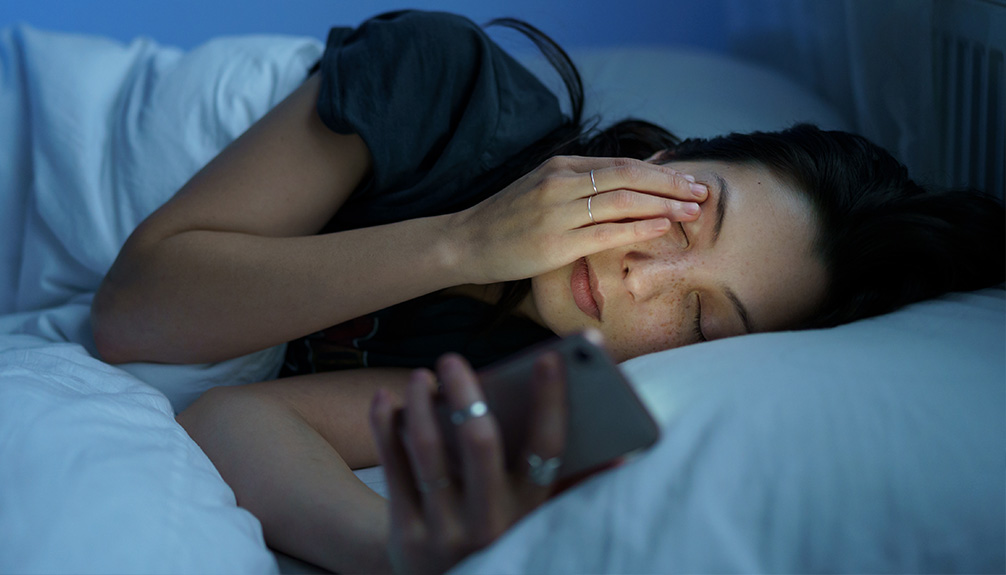

Reducing Screen Fatigue for Better Sleep
Prolonged screen exposure can significantly disrupt sleep patterns and suppress melatonin production, leading to lighter, less restorative sleep. To mitigate this, establishing screen-free zones in the home and implementing relaxing pre-bedtime routines can help promote healthier habits.
For example, designating the bedroom as a screen-free zone can help signal to the brain that it’s time to sleep. Additionally, activities like reading, meditation, or deep breathing exercises can calm the mind and body before bed. Utilizing blue light filtering technology, such as apps or software that filter out blue light from screens, can also help reduce screen fatigue.
By prioritizing tasks and setting realistic goals for screen time, individuals can better manage their screen exposure and create a healthier balance between screen time and rest. “The key to reducing screen fatigue is to be intentional about screen use and create habits that promote relaxation and rest,” says a sleep expert.
Ultimately, finding effective methods to alleviate screen fatigue requires a combination of self-awareness, discipline, and creativity. By exploring different strategies and finding what works best for them, individuals can improve the quality of their sleep and wake up feeling more rested and refreshed.
Highlights
Reducing Screen Fatigue for Better Sleep
To minimize exposure to screens and promote relaxation before bed, designate specific areas in your home as screen-free zones. Establishing healthy screen habits can help signal to your brain that it’s time to wind down.
One effective way to prepare for sleep is to implement a calming pre-bedtime routine. Activities like reading, meditation, or yoga can help quiet your mind and ready your body for rest.
When screen time is unavoidable, use blue light filtering technology, such as glasses or screen filters, to alleviate eye strain. This can be particularly helpful in reducing the disrupting effects of screens on your sleep-wake cycle.
Creating a Balanced Schedule
Prioritizing a balanced schedule with regular screen breaks is essential for reducing eye strain and improving focus throughout the day. By making time for activities that don’t involve screens, you can reduce your overall exposure and minimize the negative effects on your sleep.
Optimizing Your Sleep Environment
Your sleep environment plays a significant role in the quality of your rest. Make adjustments to lighting, bedding, and comfort to improve the quality of your sleep. A restful night’s sleep can have a profound impact on your overall well-being, so it’s worth taking the time to get it right.
To achieve better sleep, consider the following adjustments to your sleep environment:
- Make your bedroom a screen-free zone to minimize exposure to blue light and other stimulating content.
- Invest in blackout curtains or shades to block out any harsh light that may be disrupting your sleep.
- Upgrade to a comfortable mattress and pillows to promote relaxation and reduce restlessness.
By taking these steps, you can create a sleep-conducive environment that fosters restful nights and refreshed mornings.
Understanding the Impact of Screen Time on Sleep
The Hidden Dangers of Screen Time on Sleep
Prolonged exposure to screens has become a ubiquitous part of modern life, but research reveals a disturbing link between screen time and disrupted sleep patterns. The stimulating content and digital distractions emitted from screens can suppress melatonin production, making it challenging to fall asleep.
Moreover, the constant stream of notifications from devices activates the brain’s reward system, releasing feel-good chemicals that trick the brain into staying awake.
Individuals who engage in prolonged screen time often experience lighter, less restorative sleep, leading to fatigue, decreased productivity, and other sleep-related issues. Sleep quality matters, as it directly affects our physical and mental well-being.
Understanding the impact of screen time on sleep is vital in developing effective strategies to mitigate its effects and promote healthier sleep habits.
According to research, 60% of adults report using electronic devices before bedtime, which can lead to a significant decline in sleep quality. Furthermore, a study by the National Sleep Foundation found that adults who used electronic devices before bedtime were more likely to experience sleep disruptions.
By acknowledging the consequences of screen time on sleep, we can take the first step towards creating healthier sleep habits and improving our overall well-being.
“Sleep is not an indulgence, it’s a necessity.” By prioritizing sleep and establishing screen-free bedtime routines, we can reap the benefits of restorative sleep and wake up feeling refreshed, revitalized, and ready to take on the day.
Setting Screen-Free Zones in the Home
Designating screen-free zones in the home is a crucial step in minimizing the impact of screen time on sleep quality.
Creating a sleep-conducive environment begins with setting boundaries around screen use. By establishing screen-free areas, individuals can cultivate spaces that promote relaxation and healthier habits.
For example, designating a reading area can encourage individuals to unwind and relax before bed. Making the dinner table or living room screen-free can also foster more engaging interactions, such as family game nights or meaningful conversations.
By reducing exposure to screens in these areas, individuals can create an environment that supports better sleep habits and overall well-being.
Limiting screen time before bed is essential for improving sleep quality.
Screen-free zones help individuals develop healthier habits and reduce the risk of sleep disorders. Moreover, setting screen-free zones can have a positive impact on mental health, reducing stress and anxiety caused by excessive screen time.
Ultimately, creating screen-free zones in the home requires commitment and discipline.
Implementing a Pre-Bedtime Screen-Free Routine
Screen-Free Routines for Better Sleep
Implementing a pre-bedtime routine that excludes screens can significantly improve sleep quality. A digital detox, where individuals abstain from screens for a set period before bed, can help reduce exposure to blue light, a known disruptor of the body’s natural sleep-wake cycle. Activities like reading, meditation, or yoga can promote relaxation and prepare the body for sleep.
By incorporating these activities into their daily routine, individuals can wake up feeling refreshed and revitalized. A consistent pre-bedtime routine signals to the brain that it’s time to sleep, making it easier to fall asleep and stay asleep.
Why Screen-Free Routines Matter
Screen time before bed can interfere with sleep quality due to the stimulating effects of screens and the blue light emitted by devices. A study published in the journal Sleep Health found that exposure to screens and electronic devices before bedtime is associated with poor sleep quality, daytime fatigue, and other health problems.
Creating a Relaxing Pre-Bedtime Routine
Developing a calming pre-sleep routine can help counteract the stimulating effects of screen time. Some strategies for creating a relaxing pre-bedtime routine include:
- Reading a book or magazine
- Practicing gentle stretches or yoga
- Listening to calming music or nature sounds
- Engaging in a hobby, such as painting or drawing
Benefits of a Screen-Free Routine
By adopting a screen-free pre-bedtime routine, individuals can experience a range of benefits, including:
- Improved sleep quality
- Increased energy levels
- Enhanced cognitive function
- Better mental health
As Dr. Michael J. Breus, a sleep specialist, notes, “A consistent pre-sleep routine can help signal to the brain that it’s time to sleep, making it easier to fall asleep and stay asleep.”
Using Blue Light Filtering Technology to Reduce Eye Strain
Reducing Eye Strain with Blue Light Filtering Technology
Screen-free routines can significantly decrease exposure to blue light, but sometimes screen time before bed is unavoidable. In such situations, blue light filtering technology can help alleviate eye strain and promote better sleep.
Blue light glasses are a practical solution, filtering out high-energy visible (HEV) light emitted from digital screens and reducing eye fatigue and discomfort. Screen filters for electronic devices can also block blue light emission.
These filters can be adjusted to filter out specific wavelengths of blue light, allowing for a tailored approach to reducing eye strain. Incorporating blue light filtering technology into daily routines can minimize the negative effects of screen time on sleep quality and overall well-being.
“By making a few simple changes to our daily habits and utilizing technology like blue light filtering glasses and screen filters, we can significantly reduce eye strain and promote healthier sleep patterns.”
Establishing Healthy Screen Habits Throughout the Day
Healthy Screen Habits for a Better Life
Screen time affects our well-being beyond nighttime routines. Prolonged screen exposure throughout the day can lead to physical and mental fatigue, decreasing productivity and overall quality of life. Regular screen breaks can help mitigate these effects.
Taking Breaks is Key
Incorporating short breaks every hour to stretch, move around, and rest the eyes can help reduce eye strain and improve cognitive function. This simple habit can make a significant difference in how we feel and perform throughout the day.
By prioritizing tasks and setting time limits, we can promote healthier screen habits.
Setting Boundaries
Mindful usage of screens is crucial. Setting time limits and prioritizing tasks can help us stay focused and avoid mindless scrolling.
By adopting these strategies, we can minimize the negative effects of screen time and maintain our physical and mental well-being.
A Healthy Balance
Achieving a balance between screen time and other activities is essential. By incorporating regular screen breaks and setting boundaries, we can promote healthier screen habits and improve our overall quality of life.
As Dr. Jean Twenge, a psychologist and expert on screen time, says, “The key is to find a balance that works for you and your family, and to make screen time a tool that enhances your life, rather than controls it.”
Creating a Sleep-Conducive Environment
Creating a sleep-conducive environment is crucial for improving the quality of rest. To achieve this, individuals should assess the lighting in their bedroom. Soft, warm light promotes relaxation, while harsh, bright light can suppress melatonin production, a hormone that regulates sleep-wake cycles.
The right bedding is also vital for a restful night’s sleep. A supportive mattress and soothing linens can alleviate physical discomfort, allowing individuals to settle in and unwind more easily. This, in turn, can help mitigate the negative effects of screen fatigue.
Optimizing the sleep environment can have a significant impact on an individual’s ability to fall asleep, stay asleep, and wake up feeling refreshed. By making a few simple changes, such as adjusting the lighting and investing in comfortable bedding, individuals can improve the quality of their rest and wake up feeling more refreshed and revitalized.
“A well-designed sleep environment is essential for a good night’s sleep.”
When designing a sleep-conducive environment, it’s essential to consider all the factors that can impact sleep quality. This includes everything from the color of the walls to the type of bedding used.
Alternating Screen Time With Relaxing Activities
Alternating screen time with relaxing activities can help individuals mitigate the negative effects of prolonged screen time on their sleep quality. Taking regular screen breaks can signal to the brain that it’s time to unwind, making it easier to fall asleep. Research suggests that screen breaks can reduce symptoms of screen fatigue, including eye strain and headaches.
Engaging in mindful activities, such as meditation, deep breathing, or yoga, can also help to calm the mind and body. These activities can be incorporated into a daily routine to improve sleep quality and overall well-being. Aiming for a balance between screen time and relaxation can help individuals establish a healthy sleep-wake cycle.
Finding a Balance
Creating a schedule that allows for regular screen breaks and relaxation time can help individuals prioritize their sleep quality. For example, setting a specific time each day for screen-free relaxation, such as reading or taking a walk, can help signal to the brain that it’s time to wind down.
By incorporating these activities into their daily routine, individuals can improve their sleep quality and wake up feeling refreshed and revitalized.
Conclusion
Reducing Screen Fatigue for Better Sleep
Creating a healthy balance between screen time and sleep is crucial for overall well-being. To achieve this, it’s essential to establish screen-free zones and routines in daily life. This can include designating the bedroom as a screen-free area or setting aside device-free hours before bedtime. Utilizing blue light filtering technology, such as software or apps that filter out sleep-disrupting light from screens, can also help minimize the negative effects of screen time on sleep.
Adopting Healthy Screen Habits
Developing healthy screen habits is vital to reducing screen fatigue and promoting relaxation. This can be achieved by alternating screen time with relaxing activities, such as reading, meditation, or spending time outdoors. Creating a sleep-conducive environment, including a dark, quiet space with a comfortable temperature, can also help improve sleep quality.
Mitigating Digital Eye Strain
Digital eye strain is a common consequence of prolonged screen time. To alleviate this, individuals can follow the 20-20-20 rule: every 20 minutes, look away from the screen and focus on something 20 feet away for 20 seconds. Adjusting screen brightness and contrast can also help reduce eye strain.
Prioritizing Sleep Quality
By implementing these strategies, individuals can reduce screen fatigue, promote relaxation, and ultimately improve their overall sleep quality. “Sleep is the best meditation,” says the Dalai Lama, highlighting the importance of prioritizing restful sleep for both physical and mental well-being. By making conscious choices about screen time and sleep habits, individuals can wake up feeling refreshed, revitalized, and ready to face the day.