

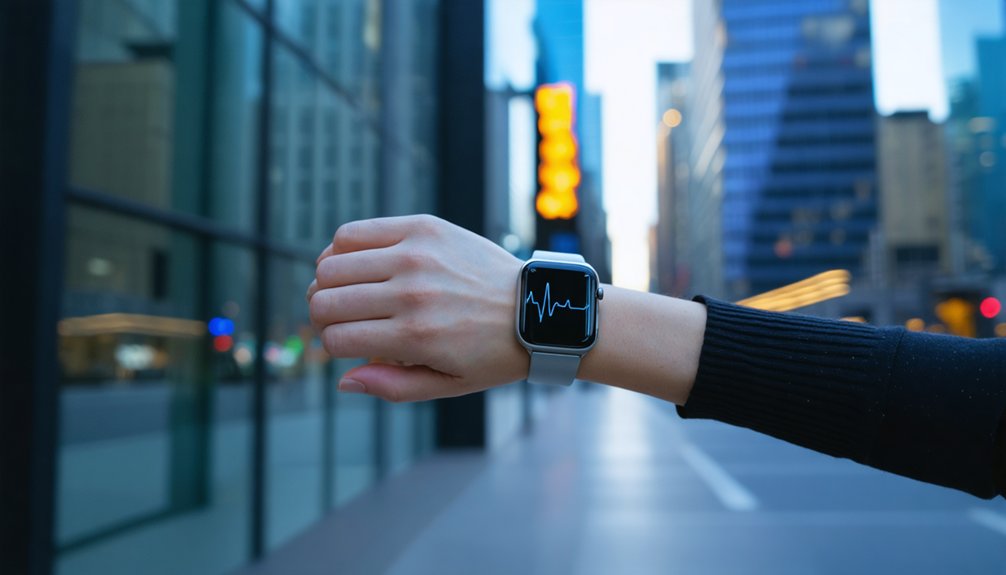

Wearable technology is changing fast in 2025. Advances in biometric sensors let people track their health metrics accurately. This helps them make informed decisions about their lifestyle. New augmented reality wearables are transforming industries like healthcare and education. These devices also integrate seamlessly with other devices, making them easy to use.
As wearable tech advances, it will play a bigger role in managing stress and mental health. This technology will help people monitor their wellbeing and take action to improve it. For example, some wearables can track a person’s sleep patterns and offer suggestions for improvement.
With improved battery life and charging technology, wearable devices are becoming more practical for everyday use. This means people can use them to track their health and fitness goals without worrying about running out of power.
“Wearable technology is becoming an essential tool for maintaining our overall wellbeing. It helps us stay on top of our health and make informed decisions about our lifestyle.”
Highlights
Advancements in Wearable Technology
In 2025, wearable devices will incorporate advanced biometric sensors, providing users with accurate health monitoring and personalized data to inform their lifestyle decisions. This development is significant because it enables individuals to take proactive steps towards maintaining their well-being.
The integration of augmented reality (AR) capabilities in wearables will transform the way we interact with information, impacting various industries such as education, healthcare, and entertainment. For instance, AR-enabled wearables can enhance the learning experience by providing students with interactive, 3D models that make complex concepts more engaging and easier to understand.
Improved Performance and Sustainability
Advances in battery life and charging technology will enhance the overall user experience of wearables. The introduction of solar and wireless power options will not only reduce electronic waste but also make it more convenient for users to keep their devices charged. Additionally, seamless integration with other devices will enable streamlined experiences, cross-device compatibility, and convenient control from wearables.
Prioritizing User Trust and Loyalty
To address concerns about data security, wearable technology will incorporate robust security measures, including data encryption and transparent data collection practices. This emphasis on user trust and loyalty is crucial, as it will encourage more people to adopt wearable technology and reap its benefits.
Quote: “Wearable technology has the potential to revolutionize the way we live and work, but it must be designed with the user’s needs and concerns in mind.”
Advances in Biometric Sensors
Advances in Biometric Sensors Will Improve Wearable Tech
By 2025, significant advancements in biometric sensor technology are expected to transform the wearable tech industry. Accurate health monitoring and secure biometric authentication are driving this change.
Wearables will be able to detect and analyze various health metrics, including heart rate, blood pressure, and glucose levels, providing users with a personalized understanding of their health. This data will enable users to take control of their well-being, making informed decisions about their lifestyle and habits.
Additionally, improved biometric authentication will ensure secure and convenient user identification, eliminating the need for passwords and PINs. As a result, wearables will become an essential tool for health monitoring and identity verification, providing users with a sense of security and confidence.
The integration of biometric sensors will significantly improve the overall wearable tech experience, making it more intuitive and user-friendly.
“Wearable technology has the potential to revolutionize the way we approach health and wellness. By providing users with accurate and actionable data, we can empower them to take control of their health and make informed decisions about their lifestyle.”
The Rise of Augmented Reality Wearables
The Future of Augmented Reality Wearables
Augmented reality (AR) technology is advancing rapidly, and wearable devices are poised to become a key platform for immersive and interactive experiences. By overlaying digital information onto the real world, AR wearables will revolutionize the way people interact with information, merging the physical and digital worlds. This technology has significant potential to transform industries such as education, healthcare, and entertainment.
Interactive interfaces will be a crucial component of AR wearables, allowing users to engage with virtual objects and environments in a seamless and intuitive way. Gesture recognition, voice commands, and gaze-based navigation will become essential features of these devices. As AR wearables continue to evolve, they will become a vital tool for navigating the increasingly complex digital environment.
According to Dr. Tom Caudell, a pioneer in AR research, “The most profound impact of AR will be in the way it changes how we interact with information and each other.” AR wearables will enable users to access information and interact with virtual objects in real-time, creating a more immersive and interactive experience.
With the potential to reshape industries and transform the way we interact with information, AR wearables are an exciting development that is worth keeping an eye on.
As the technology advances, we can expect to see more sophisticated AR wearables that are designed for specific industries and applications. For example, AR-enabled glasses are being developed for use in industrial settings, providing workers with real-time access to instructions, diagrams, and safety information.
Similarly, AR-enabled headsets are being used in educational settings to create immersive and interactive learning experiences.
In the future, we can expect to see AR wearables become an integral part of our daily lives, providing us with a more interactive and immersive way to access information and interact with the world around us.
With its potential to transform industries and transform the way we interact with information, AR wearables are an exciting development that is worth watching.
Improved Battery Life and Charging Technology
Advancements in Battery Life and Charging Technology
The widespread adoption of wearable devices, particularly those with power-hungry augmented reality features, hinges on improvements in battery life and charging technology. As devices become more sophisticated, their power requirements increase, making battery life a pressing concern.
In response, manufacturers are developing innovative solutions like solar charging, which harnesses energy from the sun, and wireless power, which enables devices to be charged without cables. These advancements will improve the overall user experience and allow wearables to be used for extended periods without recharging. Users will enjoy uninterrupted usage, fostering a sense of freedom and convenience that is critical to the wearable tech experience.
The Impact of Improved Battery Life
The importance of improved battery life cannot be overstated. As wearable devices become more integral to daily life, users expect them to keep pace with their active lifestyles.
Wireless charging, in particular, is a game-changer, eliminating the need for cumbersome cables and lost charging time. With the ability to charge devices on the go, users can enjoy uninterrupted usage, whether they’re tracking fitness goals or staying connected with friends and family.
The Future of Wearable Technology
As battery life and charging technology continue to evolve, we can expect to see even more innovative solutions emerge.
Solar-powered devices, for example, could become the norm, reducing our reliance on traditional charging methods and minimizing electronic waste. By prioritizing battery life and charging technology, manufacturers can unlock the full potential of wearable devices, empowering users to take control of their lives like never before.
According to wearable technology expert, “The future of wearable tech lies in seamless, uninterrupted usage, and advancements in battery life and charging technology are the key to unlocking this reality.”
Seamless Integration With Other Devices
Wearable devices are becoming increasingly integral to daily life as they seamlessly integrate with other devices. This integration allows users to effortlessly connect their wearables to various devices, creating a cohesive and streamlined experience.
With cross-device compatibility, users can access and share data, receive notifications, and control other devices from their wearable. As a result, wearables are evolving into a central hub that harmoniously integrates with the broader technology ecosystem, increasing convenience and productivity.
This integration also enables new functionalities and services, solidifying wearables as a key component of daily life.
Seamless Integration
The ability to connect wearables to other devices has become a crucial aspect of the technology ecosystem. Users can now access and share data, receive notifications, and control other devices from their wearable.
This integration has enabled wearables to become a central hub, increasing convenience and productivity.
Cross-Device Compatibility
Cross-device compatibility has become a key driver of ecosystem collaboration. It allows users to access and share data, receive notifications, and control other devices from their wearable.
This integration has enabled new functionalities and services, solidifying wearables as a key component of daily life.
“In a world where technology is constantly evolving, wearables have become an essential part of our daily lives. With seamless integration and cross-device compatibility, wearables have become a central hub that harmoniously integrates with the broader technology ecosystem.”
Wearables for Stress and Mental Health Management
Mindful Management of Stress and Mental Health with Wearables
The scope of wearable technology has broadened beyond physical health, addressing mental wellbeing with recent innovations. Stress and mental health management wearables are becoming increasingly popular, providing users with tools to monitor and alleviate the pressures of daily life. Features such as mindfulness tracking allow users to monitor their mental state, set reminders for meditation and relaxation, and engage in guided breathing exercises.
Some wearables employ AI-powered algorithms to analyze physiological signals, identifying emotional patterns and enabling users to understand their emotional responses better. This insight helps users develop strategies to manage stress effectively. With the stigma surrounding mental health diminishing, wearable technology is poised to play a vital role in fostering emotional resilience and overall wellbeing.
“Embracing mental wellness through wearable technology can be a game-changer for individuals seeking to improve their overall quality of life.”
The potential for wearables to positively impact mental health is substantial. For instance, emotional analytics can help users recognize and address unhealthy emotional patterns, leading to improved relationships and a greater sense of overall wellbeing.
Furthermore, wearables can facilitate healthy habits such as regular exercise and a balanced diet, both of which contribute to improved mental health.
In managing stress and mental health, wearables can be a valuable addition to one’s toolkit. Providing users with actionable insights and accessible tools, wearables empower individuals to prioritize their mental wellbeing.
As wearable technology continues to evolve, users can expect increasingly sophisticated tools and features to support their mental health journeys. With wearables, individuals can take proactive steps towards fostering emotional resilience and achieving overall wellbeing.
The Future of Smartwatches and Fitness Trackers
Smartwatches and Fitness Trackers: Poised for Innovation
The wearable technology market is expanding beyond mental wellbeing, with significant innovations on the horizon for smartwatches and fitness trackers. Industry leaders are set to unveil design advancements that will redefine user experiences, including augmented reality displays and advanced biometric sensors.
A growing demand for stylish yet functional devices is driving the development of sleeker and more sophisticated wearables.
The integration of artificial intelligence and machine learning algorithms will enable smartwatches and fitness trackers to offer more personalized insights and recommendations. This shift will not only boost user engagement but also create new opportunities for health and wellness tracking.
As a result, smartwatches and fitness trackers will solidify their positions as essential tools for a healthy and connected lifestyle.
“The future of wearable technology lies in its ability to seamlessly integrate with our daily lives, providing valuable insights and promoting holistic wellbeing,” says a leading industry expert.
As the market continues to evolve, users can expect more advanced features and designs that prioritize style, substance, and user experience.
With a growing emphasis on personalized health and wellness, the demand for innovative smartwatches and fitness trackers will continue to rise.
Security and Data Protection in Wearable Tech
Securing Wearable Technology: Protecting Sensitive User Data
Wearable technology has become an integral part of our daily lives, collecting sensitive information such as health metrics and location data. As a result, manufacturers must prioritize robust security measures to safeguard user information. Data encryption is a critical component in protecting user data, ensuring that even if unauthorized access occurs, the data remains unreadable.
To further secure wearable devices, manufacturers must implement secure authentication protocols. Biometric identification, such as fingerprint or facial recognition, and secure login credentials can prevent unauthorized access to user data.
Additionally, transparent data collection and usage practices are essential in building trust among consumers. Users should be informed about the types of data being collected, how it is used, and have control over their data sharing preferences.
The importance of security in wearable technology cannot be overstated. Without robust security measures, users’ sensitive information is at risk of being compromised, leading to a loss of trust in wearable tech companies.
By prioritizing security and data protection, manufacturers can create a sense of belonging among consumers, driving user adoption and loyalty.
“Security is not a feature, it’s a requirement. It’s the foundation upon which trust is built.” By implementing robust security measures, wearable tech companies can demonstrate their commitment to protecting user data, fostering a loyal community of users who feel confident in the security of their wearable devices.
Conclusion
Wearable technology has made significant strides in 2025, particularly in biometric sensing, augmented reality integration, and battery life. These advancements enable wearables to play a crucial role in managing stress, monitoring mental health, and facilitating seamless device integration. However, the increased sophistication of wearables also raises concerns about data protection and security.
To address these concerns, ongoing innovation and investment in wearable tech’s growth and maturation are necessary. One area of focus is the development of more secure data storage solutions, such as encryption and secure authentication protocols. Another area is the creation of more transparent data sharing practices, enabling users to control how their data is shared and used.
Balancing Innovation and Security
The key to wearable tech’s continued growth lies in striking a balance between innovation and security. Manufacturers must prioritize data protection while still delivering high-performance devices that meet user demands. This requires a multi-faceted approach, involving advancements in hardware, software, and user education.
As the wearable tech industry continues to evolve, it’s clear that a collaborative effort is needed to ensure the development of devices that are both innovative and secure. By working together, manufacturers, policymakers, and users can create a future where wearable technology reaches its full potential while protecting user data.