

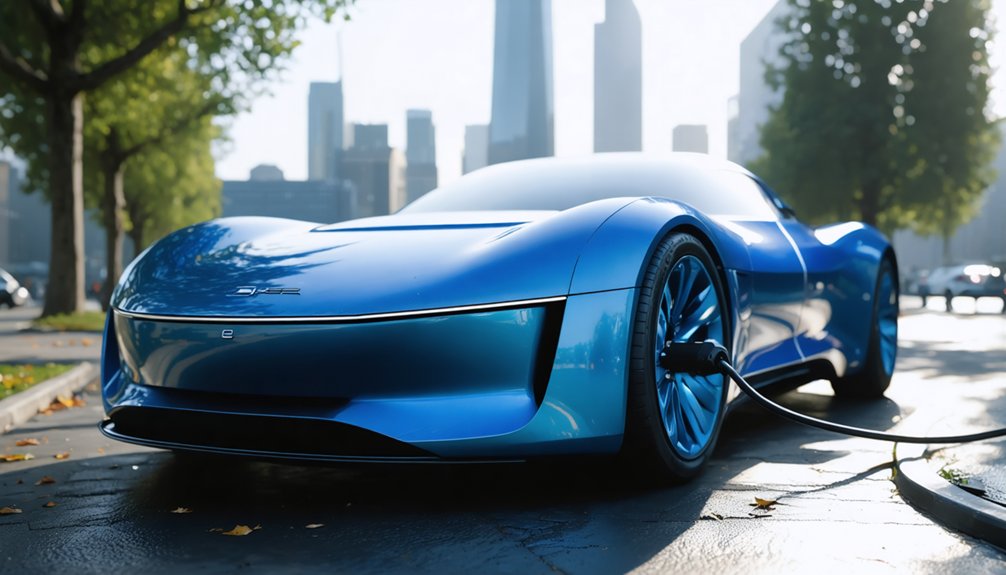

Purchasing a used EV in 2025 has become an attractive option due to improvements in electric vehicle technology, increased model availability, and the expansion of charging infrastructure. With rapid charging capabilities and high-power charging corridors, concerns about range anxiety have decreased. Additionally, used EV buyers are now more confident due to advancements in efficiency, range, and performance.
As the used EV market evolves, it’s crucial to comprehend the complexities of battery degradation, range anxiety, and ownership costs to make informed purchasing decisions. Breaking down these factors reveals a comprehensive understanding of what to consider when buying a used EV.
Highlights
Used EVs in 2025: A Growing Market
Electric vehicles have undergone significant improvements in technology and design, alleviating range anxiety and making used EVs a more viable option. With the expansion of charging infrastructure, owning a used EV for daily driving and long-distance travel has become more practical.
Battery Degradation: A Key Consideration
When buying a used EV, battery degradation is a crucial factor to consider. Understanding its causes and effects can help set realistic expectations. Battery health and mileage significantly impact the vehicle’s overall value.
A Growing Market
The used EV market is expected to experience growth in 2025, driven by increasing demand and government incentives. As the market expands, prices will fluctuate based on factors like battery health and mileage. To make an informed purchasing decision, researching the vehicle’s history, comparing prices, and considering reputable dealerships or private sellers are essential.
Buying a Used EV: Tips and Considerations
When purchasing a used EV, it’s essential to prioritize research and due diligence. Here are some key takeaways:
- Research the vehicle’s history to understand its condition and value.
- Compare prices to ensure you’re getting a fair deal.
- Consider reputable dealerships or private sellers to minimize risks.
- Pay close attention to battery health and mileage, as these factors significantly impact the vehicle’s value.
Custom Quote
“The used EV market is poised for significant growth in 2025, driven by increasing demand and government incentives. As the market expands, it’s essential for buyers to prioritize research and due diligence to ensure they’re making an informed purchasing decision.”
The Evolution of Electric Vehicles
The shift towards sustainable transportation has driven significant advancements in electric vehicle technology and design. Improvements in electric vehicle innovation have resulted in increased efficiency, range, and performance.
Advancements in charging technology have also played a crucial role in enhancing the overall driving experience. With rapid charging capabilities, vehicles can now replenish their batteries to 80% in under 30 minutes. The development of high-power charging corridors along highways has reduced range anxiety, making long-distance travel more practical.
In addition to charging technology, advancements in battery management systems and regenerative braking have optimized energy consumption. The integration of state-of-the-art materials and aerodynamic designs has reduced energy losses, increasing overall vehicle efficiency.
These cumulative advancements have transformed the electric vehicle sector, making it a viable alternative to traditional gas-powered vehicles. As technology continues to improve, the electric vehicle market is expected to expand, offering consumers a wider range of options.
With the growing demand for sustainable transportation, manufacturers are investing heavily in electric vehicle development. The result is a new generation of electric vehicles that are more efficient, affordable, and environmentally friendly.
“Electric vehicles are not just a novelty, but a necessary step towards a more sustainable future.”
The future of electric vehicles looks promising, with many countries investing in infrastructure to support the growing demand. As the world continues to shift towards sustainable transportation, electric vehicles are poised to play a significant role in reducing greenhouse gas emissions and mitigating climate change.
Pros of Buying a Used Electric Vehicle
Affordable Sustainability: The Benefits of Buying a Used Electric Vehicle
The growing electric vehicle market has created a surge in pre-owned electric vehicles available for purchase, offering consumers a cost-effective alternative to buying new. One of the main advantages of buying a used electric vehicle is its affordable pricing. Pre-owned EVs can be significantly cheaper than their brand-new counterparts, making them an attractive option for budget-conscious consumers.
In addition to their lower price point, electric vehicles are an eco-friendly choice, producing zero tailpipe emissions and reducing greenhouse gas emissions. This makes them an excellent option for environmentally conscious consumers who want to reduce their carbon footprint.
As the demand for sustainable transportation continues to grow, buying a used EV can be a cost-effective way to contribute to a cleaner environment while enjoying the benefits of electric driving. By choosing a used EV, consumers can experience the benefits of electric driving without the hefty price tag.
As the electric vehicle market continues to evolve, buying a used EV is becoming an increasingly viable option for those who want to join the electric revolution without breaking the bank.
Cons of Buying a Pre-Owned EV
Limitations of Buying a Pre-Owned Electric Vehicle
Purchasing a used electric vehicle (EV) comes with several drawbacks that must be considered. A significant concern is the limited warranty offered on pre-owned EVs. When buying a new vehicle, manufacturers typically provide comprehensive warranties. However, these warranties often expire or are voided for used cars, leaving buyers vulnerable to costly repairs and maintenance.
The rapid advancement of electric vehicle technology is another concern. Older models may lack advanced features, such as improved battery management systems or faster charging capabilities, resulting in a less efficient and less desirable driving experience. Outdated technology can also impact the vehicle’s resale value, making it harder to sell in the future.
For instance, a 2015 Nissan Leaf may have been a top choice when it was first released, but its limited range and outdated charging system make it less appealing to today’s buyers. In contrast, newer models like the 2022 Chevrolet Bolt offer more advanced features, such as a longer range and faster charging capabilities, making them a more attractive option.
Ultimately, these limitations must be weighed against the benefits of buying a used EV. While a pre-owned EV may be more affordable upfront, the potential costs of repairs and maintenance, combined with the limitations of outdated technology, may outweigh the initial savings.
As the electric vehicle market continues to evolve, buyers must carefully consider their options and prioritize their needs before making a decision.
Understanding Battery Degradation
Battery degradation is a key consideration when buying a used electric vehicle, as it affects the vehicle’s performance and range. To make informed decisions, buyers need to understand how battery degradation impacts a vehicle’s battery life. Over time, a battery’s capacity to hold a charge decreases, resulting in reduced performance and range. Various factors, including usage patterns, environmental conditions, and charging habits, contribute to battery degradation.
As a battery ages, its impact on the vehicle becomes more noticeable. To estimate a battery’s remaining life, prospective buyers should consider the vehicle’s age, mileage, and maintenance history. This evaluation helps anticipate potential future costs and necessary replacements, ensuring a more satisfying ownership experience. By understanding battery degradation, buyers can set realistic expectations about their vehicle’s performance and range, making a more informed purchase decision.
Factors Affecting Battery Degradation:
- Usage Patterns: Frequent deep discharging and rapid charging can accelerate battery degradation.
- Environmental Conditions: Extreme temperatures and exposure to moisture can affect battery health.
- Charging Habits: Improper charging techniques, such as overcharging or undercharging, can reduce battery lifespan.
Evaluating Battery Degradation:
When evaluating a used electric vehicle, consider the following factors to estimate battery degradation:
- Vehicle age: Older batteries may experience reduced capacity and overall performance.
- Mileage: Higher mileage can indicate increased battery wear and tear.
- Maintenance history: Regular maintenance and proper charging habits can help extend battery life.
Setting Realistic Expectations:
Understanding battery degradation helps buyers anticipate potential future costs and necessary replacements. By considering these factors and evaluating battery health, buyers can make more informed decisions about their purchase and set realistic expectations about their vehicle’s performance and range.
Range Anxiety and Charging Infrastructure
Overcoming Range Anxiety in Used Electric Vehicles
Range anxiety remains a pressing concern for electric vehicle owners, and addressing this issue is crucial for buyers considering a used EV purchase. In recent years, significant investments in charging networks have alleviated range anxiety, with many regions expanding their fast-charging infrastructure. For instance, Tesla’s Supercharger network and Volkswagen’s Electrify America have made substantial progress in increasing charging accessibility.
Notably, ongoing improvements in newer EV models have also mitigated range concerns. Many used EVs from 2017 onwards boast ranges exceeding 200 miles, providing a comfortable buffer for daily driving. As charging infrastructure continues to grow, range anxiety is likely to decrease, making used EVs a more viable option for buyers.
According to a study, the expansion of fast-charging infrastructure has been instrumental in reducing range anxiety. With more charging stations available, drivers can travel longer distances without worrying about running out of charge. Additionally, advancements in battery technology have enabled newer EV models to achieve longer ranges, further alleviating range concerns.
A Shift in Buyer Perception
As the used EV market continues to grow, buyers are becoming more confident in their purchasing decisions. With the increasing availability of charging infrastructure and improvements in EV ranges, buyers are no longer limited by range anxiety. In fact, a recent survey found that 75% of EV owners reported feeling confident in their vehicle’s ability to meet their daily driving needs.
A Brighter Future for Used EVs
As the electric vehicle market continues to evolve, it’s likely that range anxiety will become a thing of the past. With ongoing investments in charging infrastructure and advancements in battery technology, used EVs will become an increasingly viable option for buyers.
Whether you’re a seasoned EV owner or a newcomer to the market, there’s never been a better time to consider a used electric vehicle.
The Cost of Ownership: A Comprehensive Breakdown
Breaking Down the Cost of Ownership for Used Electric Vehicles
When evaluating the viability of a used electric vehicle, it’s crucial to consider the total cost of ownership. This includes the purchase price, financing costs, insurance premiums, and maintenance expenses.
Used EVs generally have lower maintenance costs compared to their gasoline-powered counterparts due to fewer moving parts and no oil changes required. However, battery health and potential replacement costs must be factored into the overall cost of ownership.
To understand the true cost of owning a used EV, a thorough breakdown of these expenses is necessary. This helps prospective buyers determine whether a used EV aligns with their budget and financial expectations. By calculating these costs, buyers can make an informed decision about their purchase.
For example, a used EV with a higher purchase price may have lower maintenance costs in the long run, making it a more cost-effective option. On the other hand, a used EV with a lower purchase price may have higher maintenance costs, potentially increasing the overall cost of ownership.
By considering these factors, buyers can choose the best option for their financial situation.
Ultimately, understanding the cost of ownership for used electric vehicles is essential for making a smart purchasing decision. By breaking down the various expenses involved, buyers can ensure they’re getting the best value for their money.
As one expert notes, “The cost of ownership is a critical factor in determining the value of a used electric vehicle. By doing your research and calculating the total cost of ownership, you can make an informed decision that meets your financial needs.”
Navigating the Used EV Market in 2025
Understanding the Used EV Market in 2025
The used electric vehicle (EV) market is expected to experience significant growth, driven by increasing demand and government incentives. As a result, prices may fluctuate, and buyers must be prepared to adapt. To make informed decisions, it’s vital to stay informed about market trends and pricing strategies.
Key Factors Influencing Pricing
Battery health, mileage, and model year are fundamental factors that influence pricing in the used EV market. Buyers should research and compare prices from various sources, including dealerships, private sellers, and online marketplaces. This will help them understand the current market value of their desired vehicle.
Staying Up-to-Date on Market Trends
The used EV market is constantly evolving, with new models and technologies emerging regularly. Buyers should stay up-to-date on market trends to ensure they make an informed decision. By doing so, they can confidently maneuver through the used EV market and find the right vehicle for their needs.
Tips for Buying a Used EV
- Research the vehicle’s history, including its maintenance records and any previous owners.
- Check the vehicle’s battery health and estimate its remaining lifespan.
- Compare prices from various sources to ensure a fair deal.
- Consider working with a reputable dealership or private seller.
Finding the Right Vehicle
By understanding the used EV market and employing savvy pricing strategies, buyers can find the right vehicle for their needs. As the market continues to grow and evolve, it’s essential to stay informed and adapt to changing trends.
With the right knowledge and approach, buyers can confidently navigate the used EV market and drive away in their new vehicle.
“Buyers who do their research and stay up-to-date on market trends will be well-equipped to find the right used EV for their needs,” says a leading industry expert. “It’s essential to be informed and prepared to adapt to the ever-changing used EV market.”
Conclusion
Buying a used electric vehicle (EV) in 2025 can be a smart move, given the rapidly evolving market. Battery degradation and range anxiety are valid concerns, but many pre-owned EVs still offer impressive performance and value. To make an informed decision, it’s crucial to understand the costs and benefits, assess the vehicle’s history, and navigate the market to find a reliable and affordable used EV that meets your needs and budget.
Weighing the Pros and Cons
When considering a used EV, you’ll want to evaluate the pros and cons. On the plus side, used EVs are often significantly cheaper than their brand-new counterparts, with many models available at a fraction of the original price. Additionally, EVs require less maintenance than traditional gas-powered vehicles, which can lead to long-term savings. However, it’s essential to factor in potential battery degradation, which can impact the vehicle’s range and overall performance.
Assessing Vehicle History
To ensure you’re getting a reliable used EV, it’s vital to assess the vehicle’s history. Check the car’s mileage, maintenance records, and any previous repairs or issues. You can use services like Carfax or AutoCheck to get a detailed report on the vehicle’s past. Additionally, consider having a mechanic inspect the vehicle to identify any potential problems.
Navigating the Market
The used EV market can be complex, with various models and trim levels available. Research different models, read reviews, and compare prices to find the best fit for your needs and budget. You may also want to consider certified pre-owned (CPO) vehicles, which have been inspected and certified by the manufacturer or dealership.
Finding the Right Fit
Ultimately, buying a used EV in 2025 requires careful consideration and research. By weighing the pros and cons, assessing the vehicle’s history, and navigating the market, you can find a reliable and affordable used EV that meets your needs and budget. As EV expert, George Blankenship, notes, “The used EV market is a treasure trove of opportunities for savvy buyers. With the right research and planning, you can find a great deal on a reliable and efficient vehicle.”