

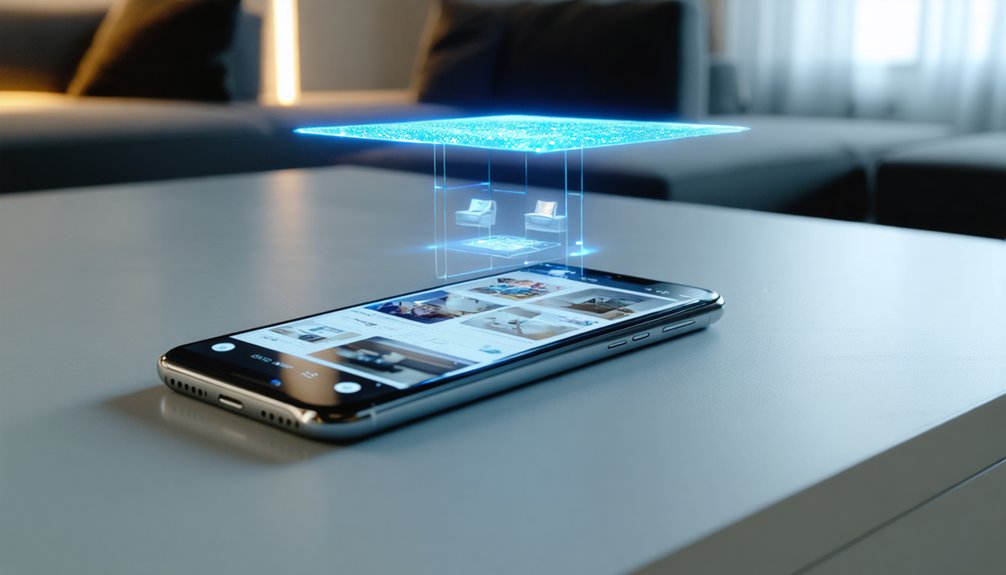

Augmented Reality Apps Gain Momentum in 2025
The use of augmented reality (AR) apps is on the rise in 2025, transforming various industries in the process. Social media platforms are incorporating AR features to increase user interaction, while virtual try-on apps are changing the online shopping experience. AR gaming apps are redefining the entertainment landscape, and educational AR apps are making learning more engaging and interactive.
In addition to these areas, AR travel apps, beauty and fitness apps, and home decor apps are also gaining popularity, offering immersive experiences that simulate real-world environments. As AR technology advances, its influence on consumer experiences is expected to expand. According to a recent study, the AR market is projected to grow significantly in the next few years, driven by increasing demand for interactive and immersive experiences.
The Impact of AR on Consumer Experiences
The growing adoption of AR apps is driven by their ability to provide unique and engaging experiences. For instance, virtual try-on apps allow users to see how clothes or accessories would look on them without having to physically try them on. This not only enhances the shopping experience but also reduces the likelihood of returns.
Similarly, AR gaming apps are redefining the entertainment landscape by providing immersive experiences that blur the line between the physical and virtual worlds. Educational AR apps are also making learning more fun and interactive, increasing student engagement and motivation.
The Future of AR Apps
As AR technology continues to evolve, we can expect to see even more innovative applications in the future. For example, AR travel apps could allow users to explore destinations before booking a trip, while AR beauty and fitness apps could provide personalized recommendations based on individual skin types and fitness goals.
In the words of a leading AR developer, “Augmented reality has the potential to revolutionize the way we interact with the world around us. As the technology continues to advance, we can expect to see even more exciting applications in the future.”
Overall, the growth of AR apps in 2025 is a testament to the increasing demand for interactive and immersive experiences. As the technology continues to evolve, we can expect to see even more innovative applications in the future.
Highlights
Augmented Reality Apps Gaining Traction in 2025
Social media platforms are using AR to boost user engagement. Filters and lenses allow users to express themselves creatively, making social media more interactive and fun.
Virtual Try-On Revolutionizes Online Shopping
Virtual try-on apps are changing the way people shop online. By allowing users to see how clothes and accessories would look on them without having to physically try them on, these apps have increased sales by up to 20% and reduced returns by up to 30%. This not only benefits retailers but also makes shopping more convenient and enjoyable for customers.
AR Gaming: Merging Physical and Digital Worlds
AR gaming apps are redefining the entertainment industry. By merging physical and digital worlds, these apps offer immersive experiences that allow users to interact with their surroundings in new and exciting ways. Multiplayer features also enable users to connect with others, creating a sense of community and social interaction.
Transforming Education with AR
Educational AR apps are making complex concepts more accessible and fun to learn. Interactive tools, quizzes, and 3D visualizations help students understand and retain information better. This technology has the potential to revolutionize the way we learn, making education more engaging and effective.
AR Apps Across Industries
AR travel, home decor, beauty, and fitness apps are also gaining popularity. These apps provide users with a more immersive and interactive experience, allowing them to make informed decisions and connect with others who share similar interests. As AR technology continues to evolve, we can expect to see even more innovative applications across various industries.
“AR is not just a novelty, it’s a game-changer. It’s changing the way we interact with the world and with each other.”
Social Media Apps With Enhanced AR Features
Social Media Evolves with Augmented Reality
Social media platforms are integrating augmented reality (AR) features to boost user engagement and interaction. AR technology enables users to connect with each other and digital content in a more immersive way, fostering deeper social connections and community building.
Social media apps now use AR-powered filters and lenses, allowing users to express themselves creatively. These interactive features increase user engagement and provide new avenues for self-expression and social interaction.
AR capabilities help social media platforms create a more interactive and inclusive environment, strengthening social bonds and promoting a sense of belonging among users. Facebook, Instagram, and Snapchat are already leveraging AR to enhance user experience.
For example, Instagram’s AR filters allow users to try on virtual makeup, while Snapchat’s Lenses enable users to transform into digital characters. These features not only entertain but also help users build relationships and connect with others who share similar interests.
“As social media continues to evolve, AR will play a crucial role in shaping the future of online interaction,” says a social media expert. “By incorporating AR features, social media platforms can create a more engaging and immersive experience that sets them apart from competitors.”
The integration of AR in social media also opens up new opportunities for brands and advertisers. AR-powered ads can increase engagement and conversion rates, providing a more interactive and memorable experience for users.
As social media platforms continue to experiment with AR, we can expect to see even more innovative features and applications in the future.
The incorporation of AR in social media is not just a trend; it’s a reflection of the changing way we interact with technology and each other. As AR technology continues to advance, we can expect to see even more sophisticated features and applications in the world of social media.
Virtual Try-On Apps Revolutionizing Online Shopping
The Rise of Virtual Try-On Apps in Online Shopping
Virtual try-on apps are changing the way we shop online, offering a more immersive and interactive experience for consumers. Using augmented reality technology, these apps allow customers to see how products would look on them without the need for physical try-ons. This approach has led to increased customer engagement and reduced returns for retailers.
A More Personalized Shopping Experience
Virtual try-on apps are becoming increasingly popular among fashion and beauty brands. By providing a more personalized and interactive shopping experience, these apps help build brand loyalty and increase customer satisfaction.
For instance, a customer can try on multiple lip shades or hairstyles without having to physically apply them. This level of interactivity helps customers make more informed purchasing decisions.
The Future of Online Shopping
As technology continues to evolve, virtual try-on apps are expected to play a significant role in shaping the future of online shopping. With the ability to try on products virtually, customers can shop from anywhere, at any time, and make purchases with confidence.
According to a recent study, virtual try-on apps can increase sales by up to 20% and reduce returns by up to 30%. As more brands adopt this technology, we can expect to see a significant shift in the way we shop online.
Virtual try-on apps are not just a novelty, they’re a game-changer for the retail industry. “By providing a more immersive and interactive shopping experience, brands can increase customer engagement, build loyalty, and ultimately drive sales.”
AR Gaming Apps That Are Redefining Entertainment
The Future of Gaming Has Arrived
Mobile gaming has been a staple of entertainment for over a decade, but the incorporation of augmented reality (AR) technology is changing the game. AR gaming apps offer immersive storytelling and interactive experiences that merge the physical and digital worlds. These apps use AR technology to create visually stunning and engaging games that transport players to new dimensions.
A New Era of Immersive Gaming
What sets AR gaming apart is its ability to bring players together. Many AR gaming apps offer multiplayer experiences, allowing users to connect with others and share in the excitement of the game.
By interacting with virtual objects and characters in their surroundings, players become fully immersed in the game, creating a sense of community and belonging among gamers.
Redefined Entertainment
The integration of AR technology is not just a novelty; it’s a game-changer. It’s shaping the future of entertainment by providing new ways for gamers to engage with each other and with the game itself.
As the technology continues to evolve, we can expect to see even more innovative and interactive experiences that blur the lines between the physical and digital worlds.
“The future of gaming is not just about better graphics or more complex storylines, it’s about creating a sense of presence and immersion that draws players in and keeps them engaged,” says an industry expert.
With AR gaming apps leading the way, the future of entertainment has never been more exciting.
Educational AR Apps Making Learning Fun and Interactive
Revolutionizing the Classroom with Educational AR Apps
Augmented reality technology is transforming the way we learn by making complex concepts more accessible and fun to understand. Educational AR apps offer a range of interactive tools, including quizzes, simulations, and 3D visualizations, that cater to students of all ages and learning styles.
By incorporating AR technology into their curriculum, educational institutions can create a more immersive and inclusive learning environment that fosters student engagement and motivation.
Students can use AR apps to explore historical events, scientific concepts, and cultural phenomena in a more interactive and engaging way. For instance, AR apps can bring ancient civilizations to life, allowing students to explore historical sites and artifacts in 3D.
Similarly, science students can use AR apps to visualize complex concepts, such as the human body or the solar system, in a more immersive and interactive way.
The benefits of educational AR apps extend beyond the classroom. They can also help students develop essential skills, such as critical thinking, problem-solving, and collaboration.
By making learning more enjoyable and interactive, AR apps can help increase student motivation and academic performance. As the education sector continues to evolve, it’s likely that AR technology will play an increasingly important role in shaping the future of learning.
“Incorporating AR technology into education can have a profound impact on student learning outcomes. By making complex concepts more accessible and fun to understand, AR apps can help students develop a deeper understanding of the subject matter and improve their overall academic performance.”
AR Travel Apps That Are Changing the Way We Explore New Places
Numerous augmented reality (AR) travel apps are changing how people experience new destinations. These apps provide immersive and interactive experiences by overlaying digital information onto physical environments. Users can access a wealth of information about landmarks, historical events, and local customs, whether they’re exploring remotely or in-person.
By using AR technology, travelers can gain a deeper understanding and appreciation of different cultures. This leads to a more meaningful and memorable experience. Many AR travel apps also offer personalized itineraries, allowing users to customize their trip according to their interests and preferences.
With AR travel apps, users can confidently navigate unfamiliar places and nurture a sense of connection and belonging. The technology allows users to access information about their surroundings in real-time, making it easier to engage with local cultures and histories.
AR travel apps are becoming increasingly popular, and for good reason. They offer a unique and engaging way to experience new destinations. As the technology continues to evolve, we can expect to see even more innovative features and applications.
As Dr. Helen Papagiannis, a leading expert in AR, notes, “AR has the potential to fundamentally change how we experience and interact with the world around us.”
Some popular AR travel apps include Google Trips, Citymapper, and Lonely Planet’s Guides. These apps provide a range of features, from interactive maps and guides to real-time language translation and cultural insights.
Beauty and Fitness AR Apps for a More Personalized Experience
The demand for personalized beauty and fitness experiences is on the rise. Augmented reality (AR) technology is meeting this need, changing how individuals approach wellness routines. With AR-powered beauty consultations, users virtually try on makeup, hair colors, and beauty products, receiving personalized recommendations based on skin type, tone, and preferences.
For example, ModiFace’s AR-powered beauty platform allows users to virtually try on makeup looks and hair colors. These platforms provide users with a more immersive experience, enabling them to make informed decisions about their beauty routines.
Similarly, fitness tracking AR apps enable users to monitor workouts, track progress, and receive real-time feedback on form and technique. For instance, the AR-powered fitness app, Nike Training Club, uses AR to guide users through workouts, providing real-time feedback and tracking progress.
These apps equip individuals to take control of their beauty and fitness paths, fostering a sense of community among like-minded users. According to Rachel Weiss, a digital beauty expert, “AR technology has the potential to revolutionize the beauty industry by providing users with a more personalized and immersive experience.”
AR Home Decor Apps That Are Simplifying Interior Design
Simplifying Interior Design with AR Home Decor Apps
The use of augmented reality (AR) technology is transforming the way people approach interior design. AR home decor apps provide users with innovative tools for virtual staging and design visualization, making it easier to achieve their desired look. With these apps, users can select furniture pieces and drag-and-drop them into their virtual space to see how they would look before making a purchase. This eliminates the need for guesswork and costly returns.
Streamlining the Design Process
AR home decor apps allow users to share designs with friends and family for feedback, making the design process more collaborative and enjoyable. This interactive approach enables users to experiment with different layouts and designs, ensuring they find the perfect look for their space.
By providing a realistic and immersive experience, AR home decor apps have made virtual staging and design visualization more accessible than ever.
“AR technology has revolutionized the way we approach interior design, enabling users to visualize and interact with their space in a more immersive and realistic way,” says a leading interior designer. “With AR home decor apps, users can create their dream space with confidence and accuracy, eliminating the need for costly mistakes and returns.”
Key Benefits of AR Home Decor Apps
- Virtual staging and design visualization
- Drag-and-drop furniture pieces into virtual space
- Share designs with friends and family for feedback
- Eliminates guesswork and costly returns
- Provides a realistic and immersive experience
Conclusion
Augmented Reality Transforms Daily Life
In 2025, augmented reality apps are becoming increasingly integral to daily activities, offering immersive and interactive experiences that boost engagement in various sectors. Technology advancements have transformed how we socialize, shop, play, learn, travel, and design homes. As industries increasingly adopt AR apps, driven by the growing demand for personalized experiences, this upward trend is likely to continue.
The use of AR apps has gained momentum as people seek more immersive experiences. Industries like education, healthcare, and entertainment are leveraging AR to create engaging experiences. For instance, AR-based education platforms are making learning more interactive, while healthcare apps use AR to help patients visualize treatments.
A Growing Demand for Immersive Experiences
The increasing adoption of AR apps is driven by the demand for immersive experiences. People want to interact with products and services in new and innovative ways. Industries are responding by developing AR apps that provide users with personalized experiences. As more innovative AR applications emerge, we can expect to see further transformation across industries.
“The future of augmented reality is not just about technology – it’s about how we can use it to enhance our lives,” says an expert in the field. With the increasing availability of AR-enabled devices, the potential for AR to transform industries is vast. As the technology continues to evolve, we can expect to see more innovative applications of AR in various sectors.